
Are We Too Far Gone To Live in a World Without Social Media?
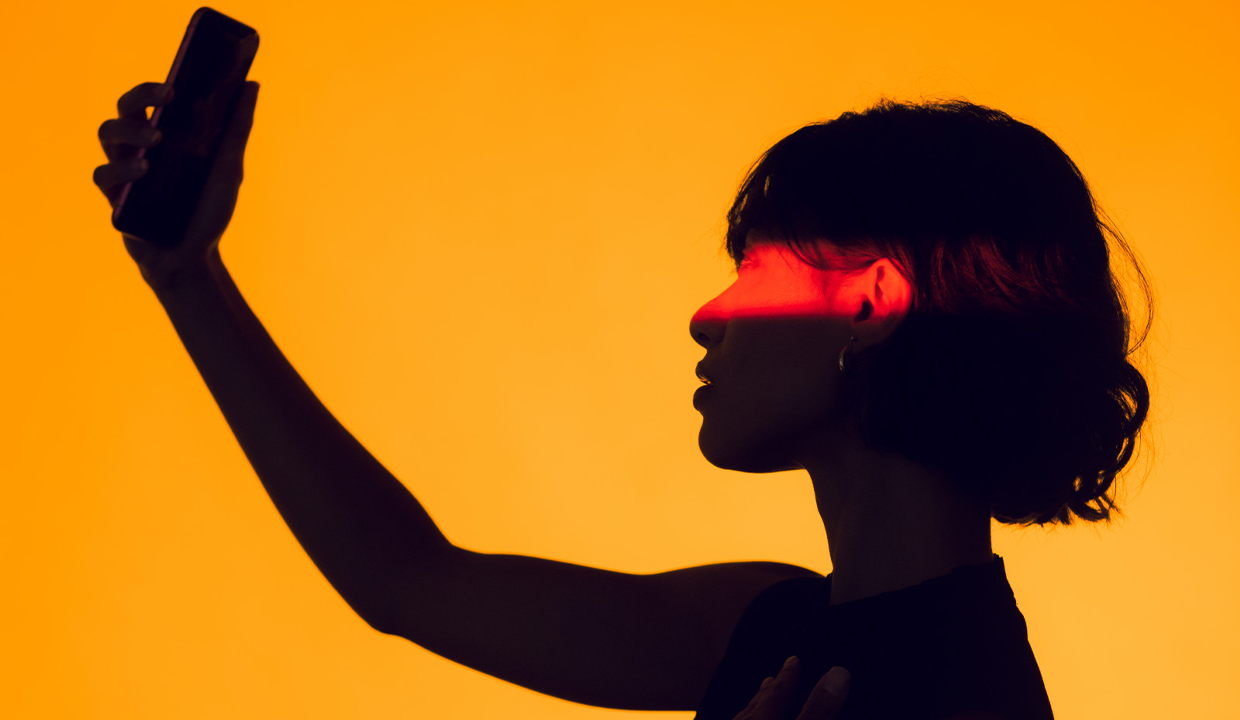
It’s 1 AM, and you should be asleep. Yet, there you are, phone in hand, scrolling through a stranger’s vacation photos, unable to stop. You have no idea how you got there.
For most of us, the question is not whether social media is bad for us- we know it is. But does it matter anymore?
We may have crossed a point of no return that goes beyond weakness. Our brains are rewired, leading to a structural dependence that looks more innocent than most addictions, but the damage is real.
The only question left is whether we can even live in a world without social media, and more importantly, whether we want to.
This Is Your Brain on the Feed
You’re not scrolling social media at 1 AM because you have no self-control. You’re falling victim to a platform designed by some of the most sophisticated engineers in the world to keep you hooked- and it’s working.
According to DemandSage social media statistics, around 210 million people are addicted to social media, and nearly 30% say they feel addicted. Addiction is more prevalent in women, driven by their focus on social connection, validation, and emotional connection. So what exactly are they hooking us with?
The platforms are built on psychological mechanics called reward scheduling- the same premise as slot machines. The idea is simple- when rewards are unpredictable, we keep pulling the lever. So, just like we may look for triple 7s in a casino, on social media, we’re looking for posts that make us feel seen.
Every notification and follower triggers a dopamine release, and over time, our brains begin to crave a hit. But what makes social media especially insidious is its speed and accessibility. It’s right there on our phone, it’s free, and it’s fast.
The Real Cost of Social Media Dependence
Social media is addictive, but what’s the real harm? Here are some dangers to consider.
The Comparison Reflex Turbo-Charged: Back in the day, it was all about keeping up with the Joneses, when the Joneses were the people in your immediate community. Today, the Joneses comprise every person, celebrity, influencer, and debutante who posts.
Anxiety Spikes: Many of us are conditioned to listen for that little ping, so much so that we jump at the sound of a car alarm, a specific note in a song, or something lighting up nearby.
The Beauty Standard Complex: The constant comparisons can be especially damaging in terms of beauty standards, leading to body dysmorphia, eating disorders, and a general lack of self-esteem.
Life Becomes Performative: Rather than enjoying the simple moments, most of us measure our lives as post-worthy or not post-worthy. We’re more focused on whether to post a picture than on our own pleasure.
The Loneliness Paradox: While we may be the most connected generation in history, we are also the loneliest. According to Oregon State University research, adults in the top 25% for social media use frequency were twice as likely to experience loneliness as compared to those who don’t use it as often. Comparing ourselves to others and seeing their lives as more social and fulfilling breeds a sense of isolation.
The Complicated Part- We Actually Need It
Given the disadvantages of social media, it seems easy enough to kick it to the curb, once you’ve gotten over the addiction that is. But here’s the thing- it serves a purpose, making it more necessary than you might think. Here’s why:
It’s a Lifeline: Social media connects many of us to communities that enhance our well-being, whether through activism, wellness groups, grief support, queer spaces, or creative niches.
It’s a Source of Income: Companies use social media to advertise and sell their services. Influencers have built careers on it. Marketplaces for used goods provide an additional source of income.
The Joy of Connection: Connections on social media aren’t always positive, but when they are, they can do a lot for mental health. We reunite with friends, become part of their lives, discover new things about ourselves and our interests, and can even go viral for something good.
The Great Experiment: People Who Have Tried to Quit
Attempts to quit social media have been well documented. A study published in the Guilford Press Periodicals reviews what happened when college students had their social media time cut to 30 minutes per day. They reported decreased anxiety and depression.
When author and digital media minimalism advocate Cal Newport quit, he found he was better able to focus on important projects and do deeper, more sustained intellectual work.
However, while a break from social media can be beneficial, many people come back. Take Selena Gomez, for example. She quit social media and handed her account over to her team after experiencing a decline in self-esteem, describing her decision as “the most rewarding gift I can give myself.”
Yet, she later returned to the platform and tried to quit again, but the pull was too hard to resist. A subsequent break lasted just 24 hours.
For others, quitting social media is a luxury they can’t afford. For example, women in marginalized communities and queer women stay connected for visibility and solidarity, while others need it to generate income.
So, Are We Too Far Gone?
In some ways, yes. The idea of completely eliminating social media from our lives is impossible for some people. It means losing income and a sense of connection that fuels mental well-being.
But that doesn’t mean we can’t form a healthier relationship with social media. We can:
Limit our time on apps with timers, muted notifications, and designated phone-free zones.
Practice algorithmic hygiene by unfollowing certain accounts to curate a feed that serves you rather than depletes you
Shift your mindset to move from passive consumption to intentional use. Check in with specific accounts and groups instead of scrolling mindlessly.
The New Normal
So, the next time you find yourself scrolling at 1 AM, you already know what’s happening. The question is whether you care enough to stop.
A world without social media is not coming back. You just need to decide who’s in control- you or the algorithm.