
When Smart Glasses Become a Tool for Harassment: Inside Instagram’s Meta Glasses Crackdown
Meta, the parent company of Facebook, Instagram, WhatsApp, and Messenger, has expanded its Metaverse by partnering with Ray-Ban and Oakley, along with its hardware partner, EssilorLuxottica, to create Meta Smart Glasses. Now, instead of being on your phone, you can become fully immersed on the internet, wearing tech-infused shades that let you snap photos, record video, ask AI questions, and livestream to Instagram hands-free.
But what makes them convenient is part of what makes them problematic. With a built-in camera, wearers can film and shoot photos without the person being recorded ever realizing it. I’m sure you can imagine where this is going.
A New Kind of Harassment
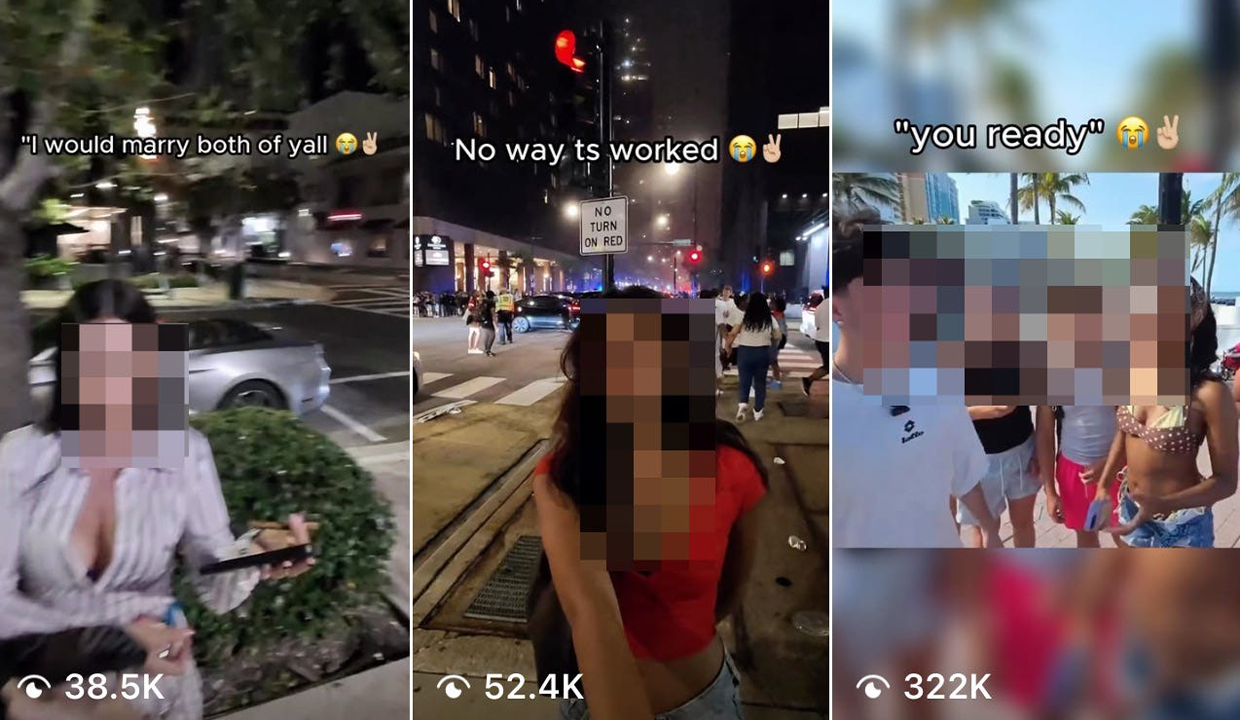
Unlike a smartphone, which is typically raised and pointed at someone, Meta Glasses can capture photos and video while the wearer appears to be doing nothing unusual. Creators take advantage of this, building content around ‘pickup’ videos in which strangers are approached and filmed without their knowledge, and ‘prank’ videos that often target retail workers and cashiers.
Women often find themselves at the wrong end of these videos and are filmed when approached in public places. Then the footage is posted without their consent. The pattern raised concerns about privacy and harassment, especially considering the subjects never even knew they were being filmed.
Instagram Draws a Line
The backlash prompted Instagram to act. Instagram head Adam Mosseri said in a Story that the platform would begin removing content in which people use Meta smart glasses to film and harass others. He specifically flagged “pickup line kind of videos” and said Instagram did not want people “surreptitiously taking videos of other people and harassing them and then posting them on our platform.”
To show they mean business, Instagram deactivated two pickup-artist accounts, each with more than a million followers.
The Research Behind the Trend
Meta smart glasses are beyond annoying; the harassment is real.
Researchers at the University of Sydney studied 350 pickup-artist videos posted to Instagram between September 2023 and March 2024 and found the covert recording was harmful, with 60% of covert point-of-view videos involving behavior that could be classified as harassment. 43% of the women filmed were later exposed to derogatory comments, doxxing, and further abuse after the footage was posted. 93.3% of the videos were posted with the comments left open, turning an unwanted encounter into a violating public record that can grow indefinitely.
Advocacy groups have been doing their part to stop the trend. Domestic abuse charities such as Refuge and Women’s Aid have warned that wearable cameras are increasingly used by abusers to track and intimidate survivors. 75 civil liberties organizations have urged Meta not to add facial recognition to the glasses, as it would make it easier to identify the subject’s name and social profile in real time and connect that to a location.
The glasses have also earned the nickname “pervert glasses,” reflecting how the issue has gone beyond content moderation and become a gender-specific safety concern.
Enforcement Is Still Catching Up
Despite the public announcement, a follow-up investigation by Business Insider found dozens of pickup artist and prank videos still circulating on Instagram, including content from popular and verified creators. Several of these videos target women, filming them without their knowledge.
The gap is linked to a familiar problem for large platforms- policies are much easier to announce than enforce. Meta has said it will use AI-based moderation to detect this content at scale and has claimed the tool has gotten better at its job. But whether it will produce meaningful results remains to be seen.
Why This Goes Beyond a Content Moderation Problem
Meta’s content moderation problem could go beyond a social issue and threaten the entire product line. The company has invested billions and seen sales triple year over year, establishing it as a mainstream everyday device, as part of its broader wearables strategy.
But if the public narrative turns them into “things creeps use to secretly film women,” they could become a cautionary tale. People might feel uneasy around them because they can’t tell whether they are being recorded, potentially slowing adoption and reducing retail partnerships.
So while Instagram fights the good fight with policy enforcement, it may face a bigger risk: lost investments and reputational damage.
What This Means Moving Forward
Smart glasses are still in their early stages, and competitors like Google and Samsung are stepping into the ring. And while large companies rush to do damage control, we need to ask: will they do enough quickly enough? In the meantime, “don’t switch the blade on the guy in shades” could take on a whole new meaning.